
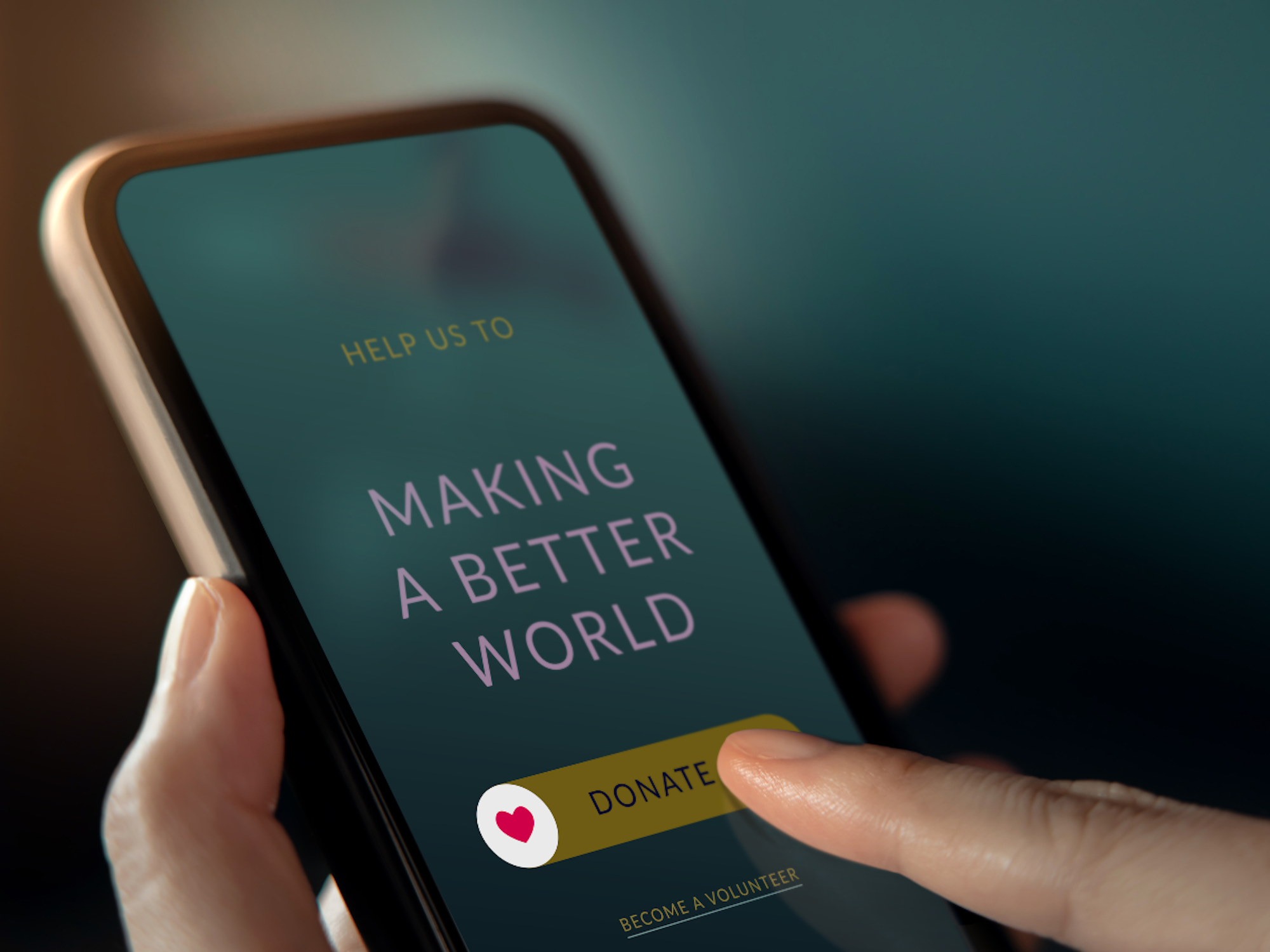
Charitable giving has traditionally followed a familiar path. Supporters donate directly to charities, attend fundraising events, contribute to large national appeals, or engaged with in-person fundraisers such as volunteers outside supermarkets and door-to-door campaigns. While these approaches continue to play an important role in supporting vital causes, the way people discover, and support charities is evolving rapidly.
Digital platforms are reshaping the fundraising landscape. Today’s supporters want more than just a donation form; they want to connect with causes, see the difference their contribution makes, and share that impact with their own networks. As a result, crowdfunding has become an increasingly powerful way for charities and communities to raise funds online.
Crowdfunding platforms like GoodHub are helping to make this shift possible by giving charities, fundraisers, and supporters the tools to launch campaigns, run events, and raise funds quickly through dedicated online pages. These platforms also make it easier for people to discover causes they care about and support them directly, often with far less time and effort than traditional methods.
So how does crowdfunding differ from traditional charity giving? While both approaches share the same goal, the way they engage supporters, raise funds, and build communities can be very different.
In this blog, we will explore the key differences between crowdfunding platforms and traditional charity giving, and why many organisations are now combining both to maximise their impact.
What is traditional charity giving?
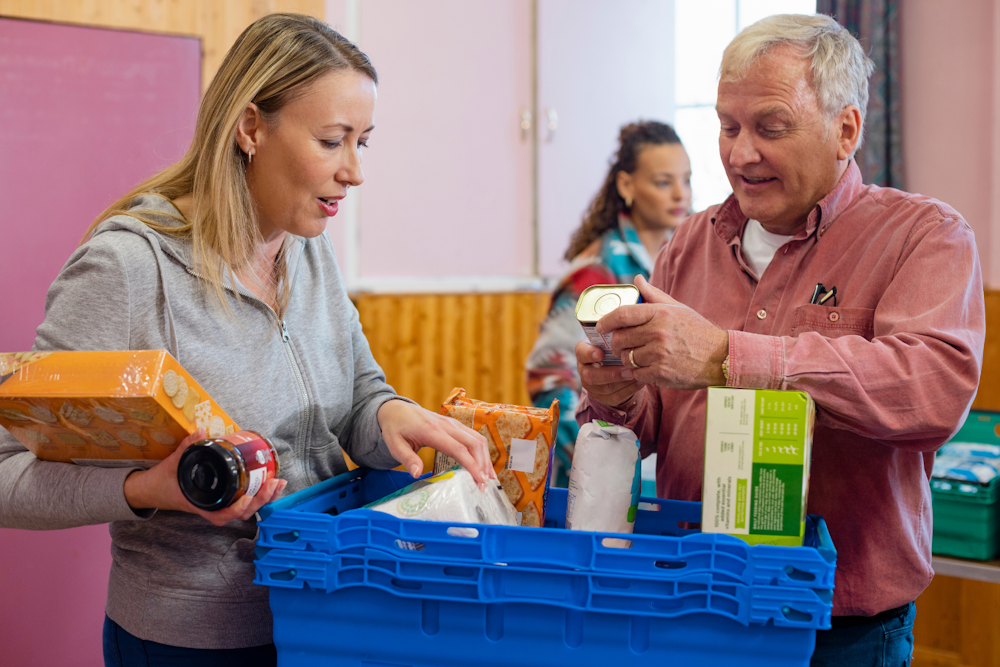
Traditional charity giving refers to the long-established ways individuals, organisations, and institutions donate money to charitable causes. In this model, supporters typically give funds directly to a charity, which then distributes those donations across its programmes, services, and operational needs.
This approach has been the foundation of fundraising for many charities for decades. Donations are usually collected through structured campaigns, seasonal appeals, fundraising events, or long-term donor relationships, with supporters trusting the charity to manage and allocate the funds effectively.
Common forms of traditional charity giving include:
- Direct donations through charity websites, mail appeals, or in-person contributions.
- Fundraising events such as charity dinners, auctions, or sponsored challenges.
- Corporate giving through partnerships or employee donation schemes.
- Major gifts and grants from foundations or philanthropists.
While this model provides reliable funding and supports long-term programmes, donors may not always see the direct impact of their individual contribution. It also often requires more time, staffing, and resources compared with digital platforms.
What is crowdfunding for charities?
Crowdfunding for charities is a way of raising money online by collecting smaller donations from a large number of people. Instead of relying solely on traditional fundraising campaigns, charities and their supporters can create dedicated campaign pages and share them with their networks to encourage donations.
In many cases, crowdfunding is driven by individuals who want to support a cause they care about. They might set up a fundraising page for a:
- Personal challenge
- Community project
- Special event
They will then promote it through social media, email, and word of mouth.
Crowdfunding platforms like GoodHub make this process easier by providing tools for charities and fundraisers to launch campaigns, collect donations, and share updates with supporters. GoodHub also helps donors discover causes they may not otherwise come across. With more than 190,000 charities and non-profits, GoodHub’s SmartSearch makes it easy to find and support smaller, local organisations alongside larger national charities.
For charities, crowdfunding can expand their reach beyond their existing donor base, engage new audiences, and make it easier to launch targeted fundraising campaigns for specific projects or initiatives, all while saving time and reducing fundraising costs.

Key differences between crowdfunding and traditional giving
While both crowdfunding and traditional charity giving aim to support meaningful causes, they differ in how fundraising is organised, shared, and experienced by donors.
1. Who drives the fundraising
In traditional charity giving, the organisation typically leads fundraising efforts through campaigns, appeals, and events.
With crowdfunding, supporters often take the lead by creating their own fundraising pages and encouraging their personal networks to donate.
2. Personal connection
Crowdfunding campaigns are often centred around a personal story, challenge, or specific project. This can make the fundraising effort feel more personal and relatable for donors.
Traditional giving tends to focus more on supporting the overall mission of a charity rather than a specific individual-led campaign.
3. Speed and flexibility
Crowdfunding platforms allow campaigns to be launched quickly and to be adapted as needed. This makes them particularly useful for urgent appeals or time-sensitive initiatives. These platforms often provide streamlined tools and analytics that make managing donations and tracking progress more efficient than traditional methods
Traditional fundraising campaigns often require longer planning cycles and structured schedules.
4. Reach and sharing
Crowdfunding relies heavily on social sharing. Campaigns are promoted through social media, email, and word of mouth, allowing them to reach audiences far beyond a charity’s existing donor base.
Traditional giving often depends more on established supporter databases and mailing lists.
5. Transparency and engagement
Many crowdfunding platforms allow donors to see real-time fundraising progress and receive updates directly from the fundraiser or charity. This can create a stronger sense of involvement.
In traditional giving, donors may receive updates through newsletters or reports, but progress is not always visible or immediate.
Both approaches have their strengths, which is why many charities now combine traditional fundraising methods with digital crowdfunding platforms such as GoodHub to engage supporters and grow their fundraising potential.

Why many charities use both models
Many charities today are finding that combining traditional giving with crowdfunding platforms creates the most effective fundraising strategy. Rather than choosing one approach over the other, they leverage the strengths of both to reach more supporters, engage communities, and maximise their impact.
Key reasons charities use both models include:
- Expand reach: Crowdfunding taps into wider networks beyond established donors, helping people discover local and smaller charities through crowdfunding platforms like GoodHub.
- Engage supporters personally: Campaigns with personal stories or specific projects give donors a sense of direct impact.
- Provide flexibility: Crowdfunding is ideal for urgent appeals, special initiatives, or community projects, complementing stable long-term funding.
- Build community: Peer-to-peer fundraising and social sharing create stronger supporter engagement and loyalty.
- Efficiency and cost savings: Platforms reduce the time, effort, and resources required to run fundraising campaigns compared with many traditional methods.
Using both approaches allows charities to combine the reliability of traditional donations with the reach and energy of crowdfunding, maximising impact for the causes they support.
Choosing the right approach for your organisation
Understanding the differences between traditional giving and digital crowdfunding helps charities make informed decisions about which approach, or combination, best meets their fundraising goals.
Deciding between crowdfunding platforms and traditional charity giving, or finding the right mix, depends on your organisation’s goals, resources, and audience.
Here are key factors to consider:
- Fundraising goals: Are you raising for long-term programmes or a specific project or emergency? Traditional giving works well for steady funding, while crowdfunding is ideal for targeted campaigns.
- Audience demographics: Consider who your supporters are and how they prefer to engage.
- Internal resources: Crowdfunding campaigns, on GoodHub, take a few minutes to set up and share via social sharing tools. Traditional campaigns may need staff for events or donor relations.
- Community engagement: Crowdfunding encourages peer-to-peer fundraising and social sharing, helping you build a broader supporter network.
- Digital capability: Platforms like GoodHub make online fundraising easier, offering tools to create campaigns, track donations, and connect with supporters.
By assessing these factors, your organisation can choose the right approach, or combination of approaches, to maximise fundraising success and deepen supporter engagement.

Make your impact count today
Discover causes that matter, connect with communities, and launch your fundraising campaign in minutes with GoodHub. Start changing lives now!
Bringing traditional giving into the digital age
The world of charitable giving is evolving. Traditional giving continues to provide stability, trust, and long-term funding for essential programmes, while crowdfunding offers speed, reach, and personal engagement for donors.
By combining both approaches, charities can enjoy the best of both worlds: the reliability of established donor support and the energy of digital campaigns that connect with wider communities. Crowdfunding platforms like GoodHub make it easy to bridge these methods, helping supporters discover over 190,000 charities, including smaller, local organisations, while enabling charities to run campaigns, share updates, and engage donors directly.
Ultimately, the future of fundraising is hybrid. Organisations that embrace both traditional giving and crowdfunding platforms can increase their reach, strengthen donor relationships, and maximise their impact, bringing the timeless values of philanthropy into the modern digital age.
Start making a difference today. Explore thousands of charities and launch your fundraising campaign easily with GoodHub.